


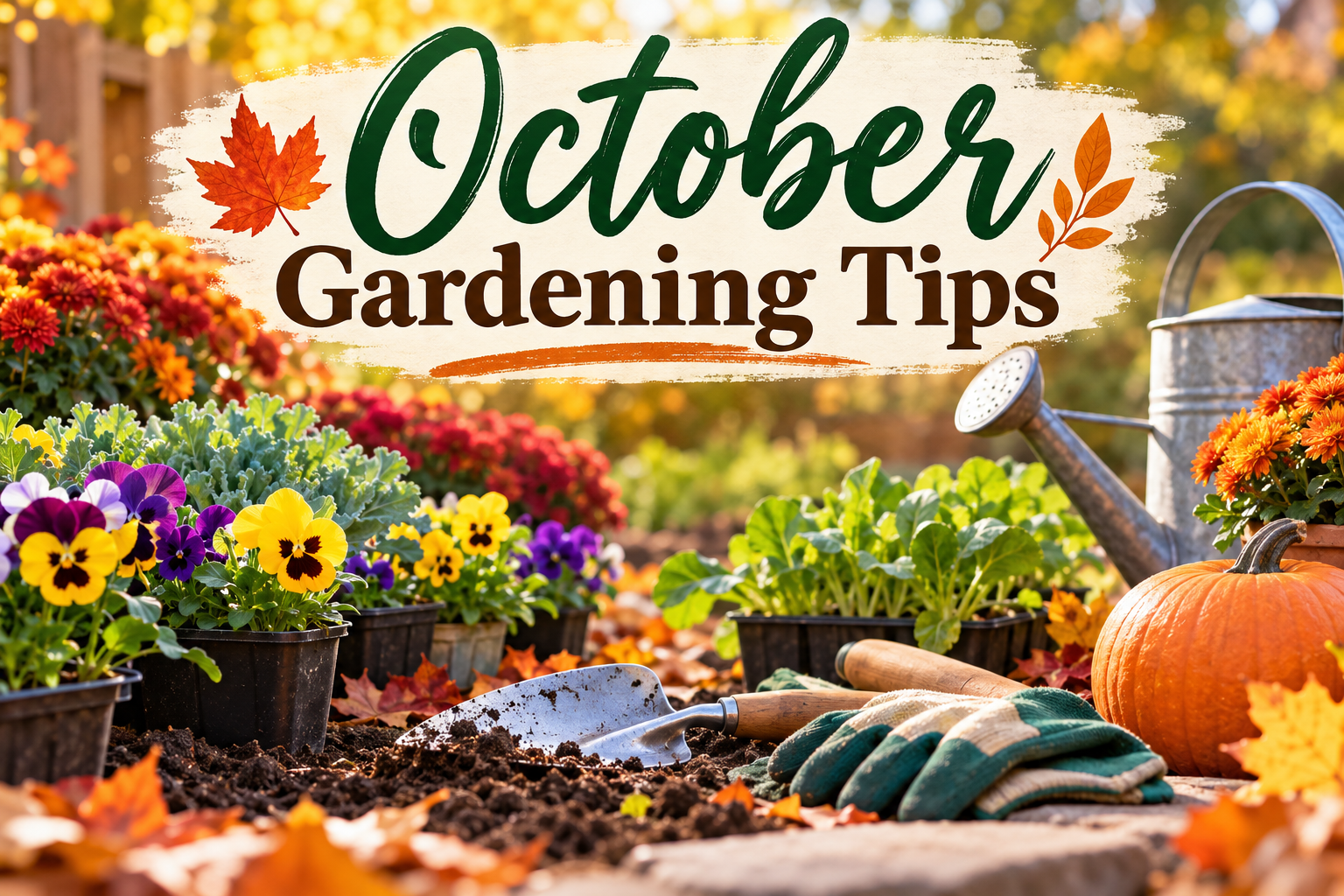
October brings cooler mornings, shorter days and plenty of opportunities to work outside in Goldsboro and across Wayne County. While the arrival of fall may seem like the end of gardening season, October is actually an important month for preparing lawns, landscapes and gardens for winter — and getting a head start on next spring.
Wayne County’s relatively mild fall climate gives gardeners time to plant trees and shrubs, add cool-weather color, maintain fall vegetables and clean up summer gardens before colder temperatures arrive.
The average first fall frost in the Goldsboro area occurs around October 30, according to N.C. Cooperative Extension in Wayne County, although the actual first frost can vary considerably from year to year.
Here are some gardening jobs to put on your October checklist.
Get Your Soil Tested
One of the best things gardeners can do this month has nothing to do with planting.
Take a soil sample.
Fall is an excellent time to test soil in vegetable gardens, lawns and landscape beds. A soil test can help determine soil pH and nutrient needs, taking some of the guesswork out of fertilizer and lime applications.
Testing now also provides time to make needed soil amendments before next year’s growing season.
N.C. Cooperative Extension recommends periodically testing garden soil, and most vegetables perform best at a soil pH between approximately 6.0 and 6.5. If lime is recommended, applying it in the fall gives it time to react with the soil before spring planting.
Soil testing information and assistance are available through the N.C. Cooperative Extension Wayne County Center in Goldsboro.
October Is a Great Time to Plant Trees and Shrubs
Thinking about adding a shade tree, flowering shrub or new landscaping around the house? Fall can be one of the best times to do it.
Planting during cooler weather gives trees and shrubs an opportunity to develop roots without immediately facing the stress of a hot eastern North Carolina summer.
One of the most common mistakes is planting a tree or shrub too deeply. Extension recommends digging the planting hole about two to three times wider than the root ball but approximately the same depth as the root ball. Avoid putting fertilizer directly into the planting hole because it can damage roots.
After planting, water slowly and thoroughly. Continue monitoring newly planted trees and shrubs for moisture, especially if Wayne County experiences a dry fall.
Don’t assume cooler temperatures mean new plants no longer need water. Roots still need adequate moisture while becoming established.
Add Pansies for Fall and Winter Color
Summer flowers may be fading, but your flower beds don’t have to become colorless.
October is pansy season.
Pansies are a popular choice for adding color to landscapes during the cooler months. Plant them in well-drained soil, add mulch after planting and water them thoroughly.
Newly planted pansies should be monitored closely for water during their first few weeks while their roots become established.
October is also a good time to consider other cool-season annuals that can tolerate the colder months.
Don’t Rush to Prune Everything
When leaves begin falling, homeowners often reach for pruning shears. But fall is generally not the time for major pruning of most landscape trees and shrubs.
Heavy fall pruning can stimulate or otherwise affect growth as plants are preparing for dormancy. Concentrate instead on removing branches that are dead, damaged or diseased, and save major pruning for the appropriate season for the particular plant.
Gardeners should also avoid heavy fertilizer applications on trees and shrubs that could encourage tender growth heading into cold weather.
Give Perennials a Protective Layer of Mulch
As herbaceous perennials begin dying back, apply approximately 2 to 3 inches of mulch around them.
Mulch helps protect root systems during winter, conserve soil moisture and suppress weeds.
Keep mulch around the plant rather than piling it excessively against stems, trunks or crowns.
Fall leaves can also become a useful resource. Instead of treating every leaf as waste, consider composting or using properly prepared leaves to add organic matter to garden soil.
Keep Leaves From Smothering Your Lawn
A few leaves scattered across the lawn aren’t a problem, but a thick layer can become one.
Heavy accumulations of fallen leaves can block sunlight and smother turf, particularly newly established grass. Rake, collect or mulch leaves regularly instead of allowing a thick, wet mat to remain on the lawn.
October is also the time to let warm-season lawns such as centipede, Bermuda and zoysia begin preparing naturally for dormancy.
Avoid applying nitrogen fertilizer to warm-season lawns in October. Nitrogen can encourage growth at the wrong time and potentially make turf more susceptible to cold injury.
Clean Up the Summer Vegetable Garden
By October, many tomatoes, peppers, cucumbers, squash and other summer vegetables are reaching the end of their productive lives.
Once plants stop producing, remove them from the garden.
Leaving old plants and diseased plant material in place through winter can provide shelter for insects and contribute to disease problems the following season.
Healthy plant material can often go into a properly managed compost pile. Diseased material should generally be discarded rather than returned to the garden.
This is also a good time to make notes about your summer garden. Which tomato performed best? Which pepper struggled? Did one cucumber variety resist disease better than another?
Write it down now. Those notes can be surprisingly valuable when seed catalogs arrive and you’re planning next year’s garden.
Keep Enjoying Cool-Season Vegetables
The first frost doesn’t necessarily mean the vegetable garden is finished.
Collards, kale, spinach, Swiss chard, turnip greens and several other cool-season vegetables tolerate cold temperatures much better than summer crops. Well-established cold-hardy vegetables can sometimes continue through winter or become dormant during colder periods before resuming growth.
Most of Wayne County’s fall vegetable garden should have been planted during August and September, so October is largely a month for maintaining and harvesting established crops rather than starting long-season vegetables from seed.
Keep scouting plants for caterpillars, aphids and other pests. Fall vegetable gardens aren’t automatically pest-free; insect populations can build throughout the spring and summer before temperatures finally cool.
If frost threatens later in the month, frost cloth or another appropriate plant covering can help protect susceptible crops and extend the harvest.
Plant a Cover Crop Instead of Leaving Bare Soil
When the summer garden is finished, don’t necessarily leave the ground bare until spring.
A fall cover crop can protect soil from erosion while adding organic matter to the garden.
Winter rye and crimson clover are among the cover crops suggested for fall gardens. They can be incorporated into the soil later to add organic material.
NC State Extension recommends fall cover crops such as rye, ryegrass and wheat and notes that appropriate planting dates vary by region.
Cover crops can be especially useful for larger vegetable plots that would otherwise sit empty for several months.
Start Thinking About Spring Bulbs — But Don’t Get in Too Much of a Hurry
October is a good time to buy and plan for spring-flowering bulbs, but in eastern North Carolina you may want to wait a little longer before putting some of them into the ground.
Daffodils, tulips, crocuses and hyacinths are generally planted in November, once soil temperatures have cooled. Many spring-flowering bulbs need an extended chilling period to produce their best flowers.
Use October to decide where you want spring color, prepare planting areas and purchase healthy bulbs before popular varieties disappear from garden centers.
Bring Houseplants Back Inside
If your houseplants spent the summer outdoors, don’t wait for a freezing night to remember them.
Begin moving tropical and cold-sensitive plants indoors as temperatures cool.
Before carrying plants into your home, inspect them carefully for insects and other pests. Clean up dead foliage and check leaves — including the undersides — and stems so you don’t accidentally bring unwanted guests indoors.
Plants that have spent months outside may also need time to adjust to lower indoor light levels.
Clean Up Around Roses
Rose growers can use fall cleanup to reduce potential problems next year.
After leaves fall, rake and remove old leaves, debris and summer mulch from underneath rose bushes, particularly where black spot has been a problem. Replacing it with fresh mulch can reduce the amount of infected material remaining around the plants.
Good sanitation is one of the simplest tools gardeners have for reducing recurring disease problems.
Don’t Panic When Evergreens Drop Needles
Seeing needles turn brown and fall from pine, juniper, arborvitae or yew trees during autumn can make homeowners think something is wrong.
Some interior needle shedding is a normal seasonal process for many evergreens.
That doesn’t mean every case of browning is harmless. Sudden, widespread discoloration or dieback affecting newer growth may deserve a closer look, but normal shedding of older interior needles during fall isn’t necessarily a sign that a tree is dying.
Use October to Prepare for Next Spring
October gardening in Wayne County is as much about preparation as it is planting.
Clean garden tools before storing them. Remove diseased plant debris. Add compost and other organic matter where appropriate. Test the soil. Record what worked — and what didn’t — this year.
Take a walk around the landscape and identify areas you’d like to change. Fall is an excellent time to evaluate whether plants are receiving the right amount of sunlight and whether drainage problems need to be addressed.
And don’t feel like every garden has to be perfectly cleaned.
Leaving some healthy plant stems, seed heads and natural areas can provide food and habitat for birds and beneficial insects. A tidy landscape and a wildlife-friendly landscape don’t have to be mutually exclusive.
An October Gardening Checklist for Wayne County
Before the month is over, gardeners should consider these jobs:
- Take soil samples from lawns, flower beds and vegetable gardens.
- Plant trees and shrubs and keep new plantings adequately watered.
- Plant pansies and other appropriate cool-season annuals.
- Avoid nitrogen fertilizer on warm-season lawns.
- Keep heavy accumulations of leaves off turf.
- Add 2 to 3 inches of mulch around appropriate perennials.
- Remove spent summer vegetable plants.
- Maintain and harvest established fall vegetables.
- Consider planting a winter cover crop in empty vegetable beds.
- Inspect houseplants before bringing them indoors.
- Clean up fallen rose leaves and debris.
- Purchase spring-flowering bulbs and prepare for late-fall planting.
- Record successful vegetable and flower varieties for next year.
- Clean and organize gardening tools before winter.
October’s comfortable temperatures make it one of the most enjoyable times of the year to work outdoors in eastern North Carolina. A few weekends spent preparing the lawn, landscape and vegetable garden now can help protect plants through winter and make getting started next spring much easier.
For research-based local gardening information, residents can contact the N.C. Cooperative Extension Wayne County Center, 3114 Wayne Memorial Drive in Goldsboro, at 919-731-1521.



Comments