


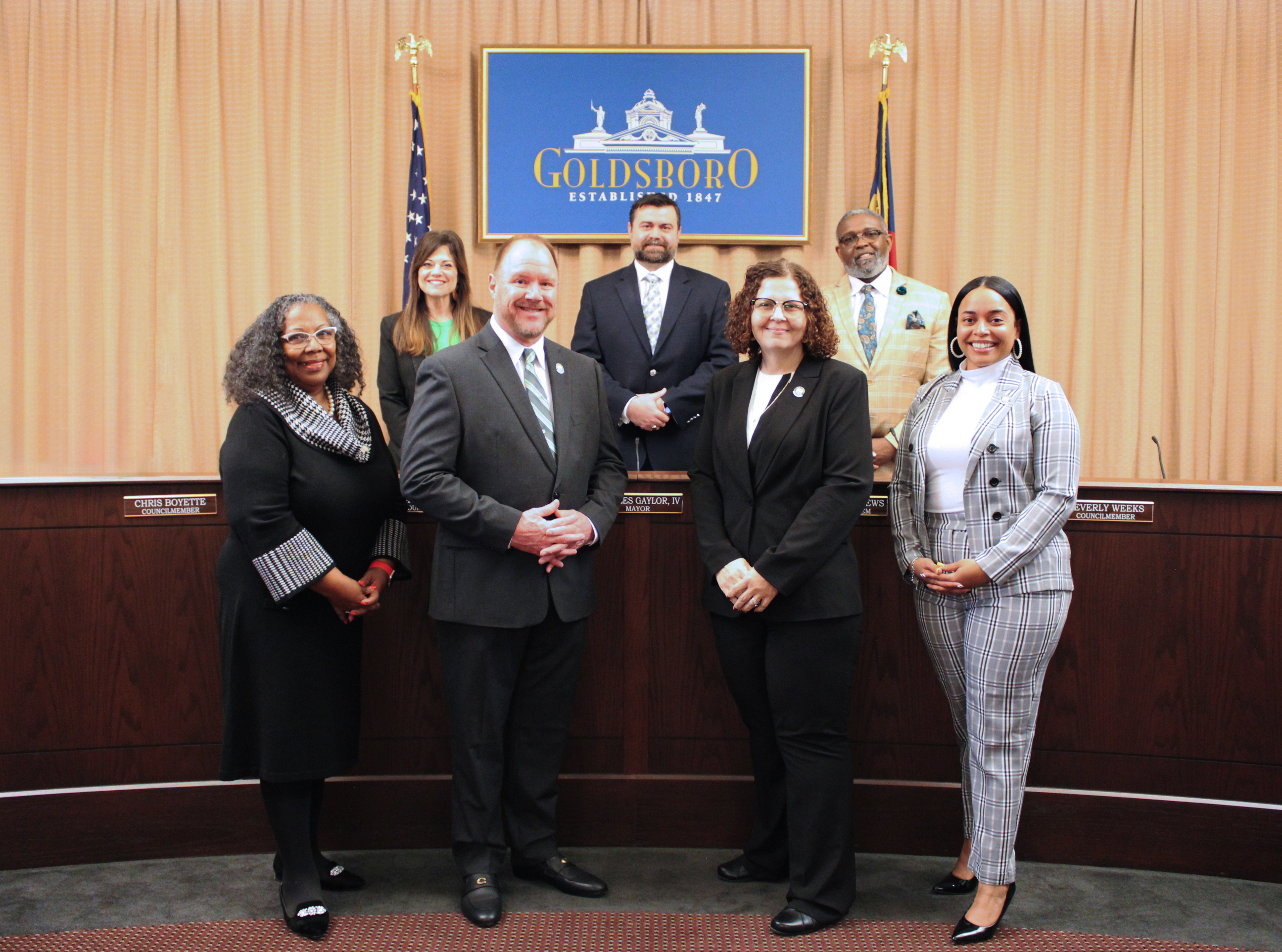
GOLDSBORO, N.C. — A comprehensive study of Goldsboro’s wastewater system has identified significant infrastructure concerns, including aging sewer lines, potential capacity problems, and treatment facility equipment that may require future repairs or replacement.
The findings were presented to the Goldsboro City Council as part of a wastewater asset management and master planning project conducted by engineering consultant Withers Ravenel.
The $400,000 project, funded through an American Rescue Plan Act (ARPA) grant, was designed to help the city evaluate the condition of its wastewater infrastructure, identify potential risks, and establish priorities for future capital improvements.
Study Identifies Sewer System Concerns
Goldsboro maintains an extensive wastewater collection system consisting of approximately 228 miles of gravity sewer mains, 18 miles of force mains, 4,825 manholes, and 25 pump stations.
According to the study, approximately 35% of the city’s gravity sewer mains were classified as having a high to very high likelihood of failure based on available condition information.
However, consultants emphasized that the designation does not mean those sewer lines are currently failing. Some findings were based on the age of the infrastructure and indicate where additional inspections should be conducted.
The assessment also identified several other areas of concern:
-
Approximately 16% of gravity sewer mains have potential capacity concerns under existing conditions or projected future growth.
-
Approximately 40% of manholes are associated with sewer lines classified as having a high to very high likelihood of failure.
-
Approximately 12% of wastewater treatment plant assets were classified as high to extreme risk.
-
Less than 3% of the collection system was identified in the high criticality category based on the potential consequences of failure.
Consultants explained that the findings will allow city officials to prioritize repairs and improvements rather than attempting to replace large portions of the system simultaneously.
Wastewater Treatment Facility Also Evaluated
The assessment included a review of major equipment and infrastructure at Goldsboro’s wastewater reclamation facility.
Among the assets identified as having elevated risks were the influent structure, rise structure, UV electrical building, and equipment associated with wastewater dewatering operations.
The evaluation considered equipment age, maintenance history, operational concerns, and the potential consequences of equipment failure.
Some of the identified improvements are already underway or being addressed by city staff.
Aging Infrastructure and Stormwater Create Challenges
City officials also discussed ongoing problems associated with aging sewer infrastructure, particularly older block manholes that can allow stormwater to enter the wastewater collection system during heavy rainfall.
This additional water, known as infiltration and inflow, can place increased demands on sewer lines and treatment facilities, contributing to capacity problems.
One area highlighted during the presentation was a sewer outfall line near Stoney Creek.
Although a section of the line has been repaired, consultants explained that the overall infrastructure remains a high-risk concern because the pipe runs alongside the creek and does not have sufficient capacity.
City staff also identified ongoing priorities involving infrastructure near the U.S. 117 pump station and improvements associated with Mount Olive Pickle operations.
Officials referenced an approximately $790,000 remaining project as part of the discussion surrounding current infrastructure priorities.
City Looks Toward Long-Term Improvements
The study provides a framework for developing future capital improvement projects based on infrastructure condition, capacity limitations, and the potential consequences of equipment or pipeline failures.
Recommendations include rehabilitating or replacing deteriorating sewer lines, conducting additional camera inspections, addressing capacity deficiencies, and making improvements at the wastewater treatment facility.
Consultants also recommended coordinating underground sewer repairs with planned street paving projects to potentially reduce construction costs and avoid having to dig up newly paved roads.
The city was encouraged to update project cost estimates annually and continue pursuing state and federal grants, loans, and other funding opportunities.
During the discussion, council members acknowledged the importance of having a comprehensive assessment of the system’s condition and future needs.
City staff emphasized that Goldsboro is not alone in facing these challenges, noting that surrounding communities are also dealing with aging wastewater infrastructure and will be competing for limited funding opportunities.
Council Considers Next Steps
The resolution presented to City Council would acknowledge receipt of the completed report, authorize staff to request disbursement of remaining grant funds, and allow the project to be formally closed out with the North Carolina Department of Environmental Quality.
Officials emphasized that the resolution itself would not commit additional city funding toward infrastructure improvements.
A motion was made and seconded to move forward with the resolution, although the available meeting record does not establish the final vote.
The study is expected to serve as a long-term planning resource as Goldsboro works to address aging infrastructure, accommodate future growth, and prioritize wastewater improvements.


Comments