


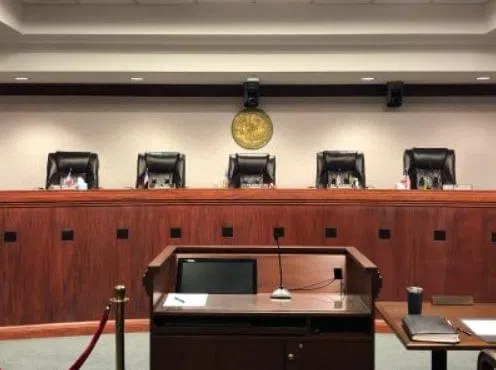
WAYNE COUNTY, NC – The Wayne County Board of Commissioners voted 5–1 to approve Resolution 2026-6, formally opposing efforts to limit or cap county property tax authority, during their April 21 meeting.
County Manager Chip Crumpler read the resolution, which outlines the critical role property taxes play in funding essential services such as public safety, emergency response, education, infrastructure, public health, and social services. The measure also warns that restricting local tax authority could reduce financial flexibility, destabilize budgets, and lead to service cuts or increased fees for residents.
Commissioner Joe Daughtery opened discussion by acknowledging that limiting taxes may sound appealing but comes with consequences.
“County governments exist to provide services that are mandated or expected… and those services have got to be paid by someone,” Daughtery said. He pointed to rising costs for utilities, insurance, and operations, noting counties face the same financial pressures as residents. He also raised concerns about uncertainty in proposed legislation that could allow tax limits to change from one legislative session to the next.
Daughtery added that he has asked for a report detailing the cost of state and federal mandates placed on counties, which he expects will show millions of dollars in required spending.
Commissioner Chris Gurley echoed concerns about the structure of the proposed legislation, particularly its failure to address unfunded mandates.
“That’s the problem,” Gurley said. “We’re required to provide services… with no funding attached to it.” He noted the growing demand for services such as EMS, which now handles roughly 25,000 calls annually, and emphasized the expectation that 911 calls are always answered.
Commissioner Barbara Aycock highlighted feedback from residents, especially elderly citizens on fixed incomes. While acknowledging concerns about property taxes, she stressed the importance of maintaining essential services.
“When I pick up the phone, I want the services there,” Aycock said. She added that many residents may not fully understand how property tax dollars are used and called on lawmakers to help cover costs if they impose limits on local tax authority. Aycock also suggested exploring ways to provide relief for elderly taxpayers.
Gurley urged residents to contact state lawmakers and ask how counties would be expected to make up funding shortfalls if tax limits are enacted.
Commissioner Tim Harrell voiced support for the resolution, framing the issue as one of local control.
“We as the citizens of Wayne County should know and be involved in how we run our county,” Harrell said, adding that voters already have the ability to hold elected officials accountable through elections.
Commissioners repeatedly pointed to the financial strain of unfunded mandates. Daugherty cited a federal requirement for more frequent SNAP benefit eligibility reviews, which could require additional staffing and cost the county millions of dollars.
“If you’re going to limit our ability to pay for these services, then you’re going to have to provide the funding,” Daugherty said.
The board ultimately approved the resolution, reaffirming support for North Carolina’s current property tax system and opposing any constitutional amendment or legislative action that would restrict county authority without addressing the financial impact.



Comments