


GOLDSBORO, N.C. — Spring may still be months away, but Wayne County gardeners looking for a healthy and productive growing season next year can get started now by finding out what is happening beneath their feet.
Jessica Strickland, agriculture extension agent specializing in horticulture with North Carolina Cooperative Extension in Wayne County, says fall is an ideal time to have soil tested. Getting results now gives gardeners plenty of time to make necessary adjustments before spring planting begins.
There is also another reason not to wait — soil testing is currently free before the peak-season fee takes effect.
The North Carolina Department of Agriculture and Consumer Services charges a $5 fee per soil sample during its peak testing season, which begins after the Thanksgiving holiday and continues through March. Turnaround times can range from three to six weeks, making early testing especially beneficial.
A soil test provides information about the soil’s pH and fertility levels and helps gardeners determine what fertilizer or lime may be needed.
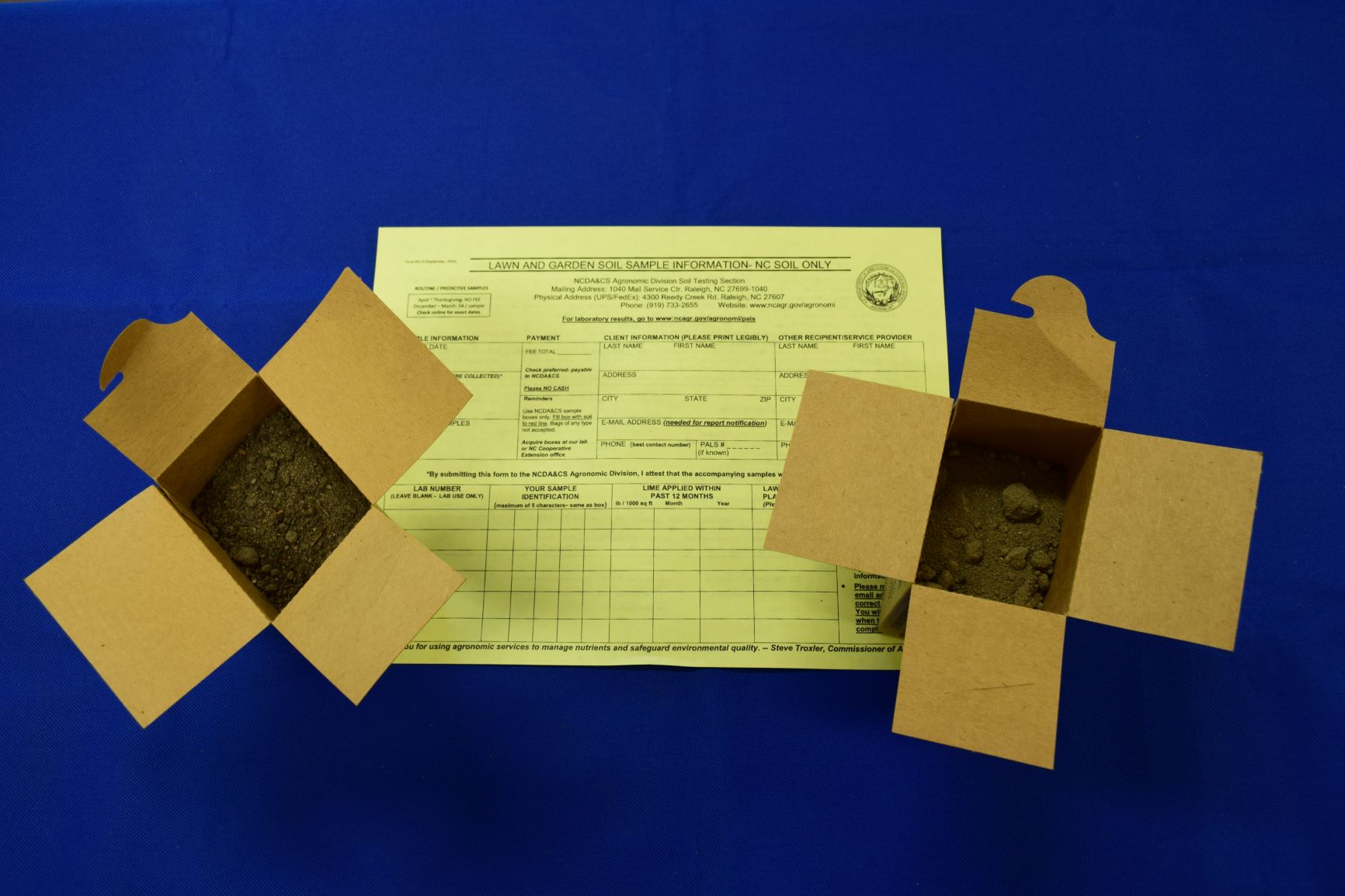
Soil sample boxes and forms are available at the NC Cooperative Extension – Wayne County Center, 3114B Wayne Memorial Drive in Goldsboro.
After a sample is submitted and processed, gardeners receive a report by email detailing information such as soil pH, phosphorus and potassium levels. The report also provides fertilizer and lime recommendations based on what will be grown in the tested area.
Getting an Accurate Soil Sample
Gardeners should consider testing different growing areas separately because soil conditions and plant requirements can vary across a property.
For example, a vegetable garden, lawn and flower bed should generally be sampled separately. Different areas of a lawn may also require separate samples when there are significant differences in soil type or drainage.
Areas containing acid-loving plants should also be tested separately. Plants such as blueberries and azaleas, along with centipedegrass lawns, generally prefer a lower soil pH than many other plants.
To collect a representative sample, take six to 10 small samples from random locations throughout the area being tested. Combine those mini-samples in a clean bucket, mix them thoroughly and use the mixture to fill the soil sample box.
The process helps ensure the final sample accurately represents conditions throughout the entire area rather than one isolated spot.
Taking the Guesswork Out of Gardening
Once the results arrive, interpreting the numbers and recommendations can sometimes be challenging. The Wayne County Extension office can help residents understand their reports and determine what steps should be taken to improve their soil.
Testing in the fall also gives lime and other recommended amendments time to begin working before the next growing season.
Healthy soil is one of the foundations of a successful lawn, landscape or garden. Taking a soil sample now can eliminate much of the guesswork involved in fertilizing while giving gardeners a head start on next year’s growing season.



Comments