


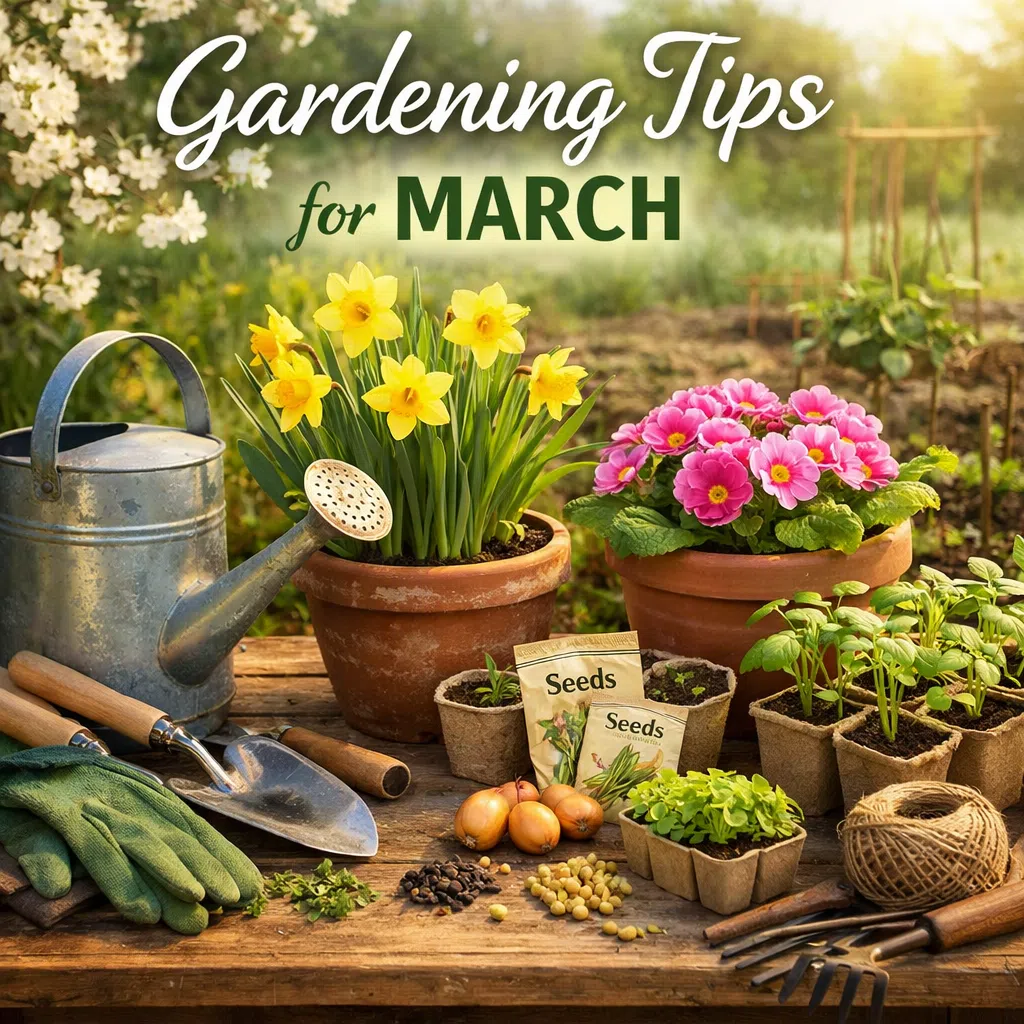
Eastern North Carolina Gears Up for Spring
Goldsboro, NC — March 2026 — As spring approaches across Goldsboro and Eastern North Carolina, backyard gardeners and landscape enthusiasts are gearing up for a busy month in the garden. With soil beginning to thaw and more daylight each day, March marks a key transitional period — perfect for prepping beds, planting cool-season crops, and staying ahead of late frosts. Here’s what local experts want gardeners to know:
🌿 Prepare the Garden for Growth
-
Clean up and amend soil: Clear debris from garden beds, test soil pH, and add compost or organic matter to improve structure and fertility before planting.
-
Mulch and weed management: A fresh layer of organic mulch helps conserve moisture, suppress weeds, and regulate soil temperature.
-
Tool care: Sharpen and service tools now so they’re ready when the real planting season arrives.
🌼 Cool-Season Planting Window
March is one of the best months to sow or transplant a variety of cool-season vegetables that thrive in Eastern NC’s early spring climate:
-
Vegetables: Peas, lettuce, kale, radishes, carrots, Swiss chard, and onions can be direct-seeded into the ground.
-
Broccoli, cabbage, and cauliflower: These can be set out as seedlings in mid-March once the risk of hard frost diminishes.
-
Herbs: Outdoors sow parsley, cilantro, and dill; perennial herbs like oregano, chives, and rosemary can be planted as soon as soil conditions allow.
-
Lawn care: Cool-season grasses such as fescue and bluegrass can be seeded now, but warm-season lawns should wait until later in spring.
🌳 Pruning & Plant Maintenance
-
Shrubs and trees: Late winter to early spring is ideal for pruning most deciduous shrubs and ornamental trees. Remove dead or diseased wood before new growth begins.
-
Fruit trees: Early March is a good time to begin dormant oil sprays and prune fruiting branches to promote healthy growth.
-
Divide perennials: Overgrown clumps of hostas, daylilies, and other perennials can be divided now before new growth takes off.
🍓 Frost Awareness & Protection
While daytime temperatures may feel like spring, frosts can still occur in March — especially overnight. Gardeners are advised to watch the forecast and be ready with row covers or blankets to protect tender seedlings during cold snaps.
🌻 What’s Coming Next?
Experts say March is also a good time to start warm-season vegetable seeds indoors, such as tomatoes, peppers, and eggplants — giving them a head start before transplanting outdoors after the last frost.
According to local extension sources, early action in March sets the foundation for a productive and vibrant garden from spring through summer.
🌟 Seasonal Gardening Snapshot (Eastern NC)
Do in March:
✔ Soil prep and cleanup
✔ Plant cool-season crops
✔ Prune trees and shrubs
✔ Divide crowded perennials
✔ Start warm-season seeds indoors
Watch out for:
❄ Late frosts — protect tender plants
🌧 Waterlogged soil — avoid working beds when too wet




Comments