By MIKE RALEY WPTF Weekend Gardener
I have spent many hours looking out our window into the backyard. It gives Melissa and me great pleasure. The same can be said for the joy of watching the many birds that visit and reserve their bit of habitat in the Raley landscape.
I think my real interest in birding began with my long time association with Wildbirds Unlimited store owner, the late Jack Baumer. He and his family’s Wildbird outlets have been long-time advertisers on WPTF and the Weekend Gardener. Jack taught me the subtleties of bird watching and an appreciation of the various species. Through reading and watching birds in our yard and at the family farm, I learned more and more about creating habitats for birds with native plants.
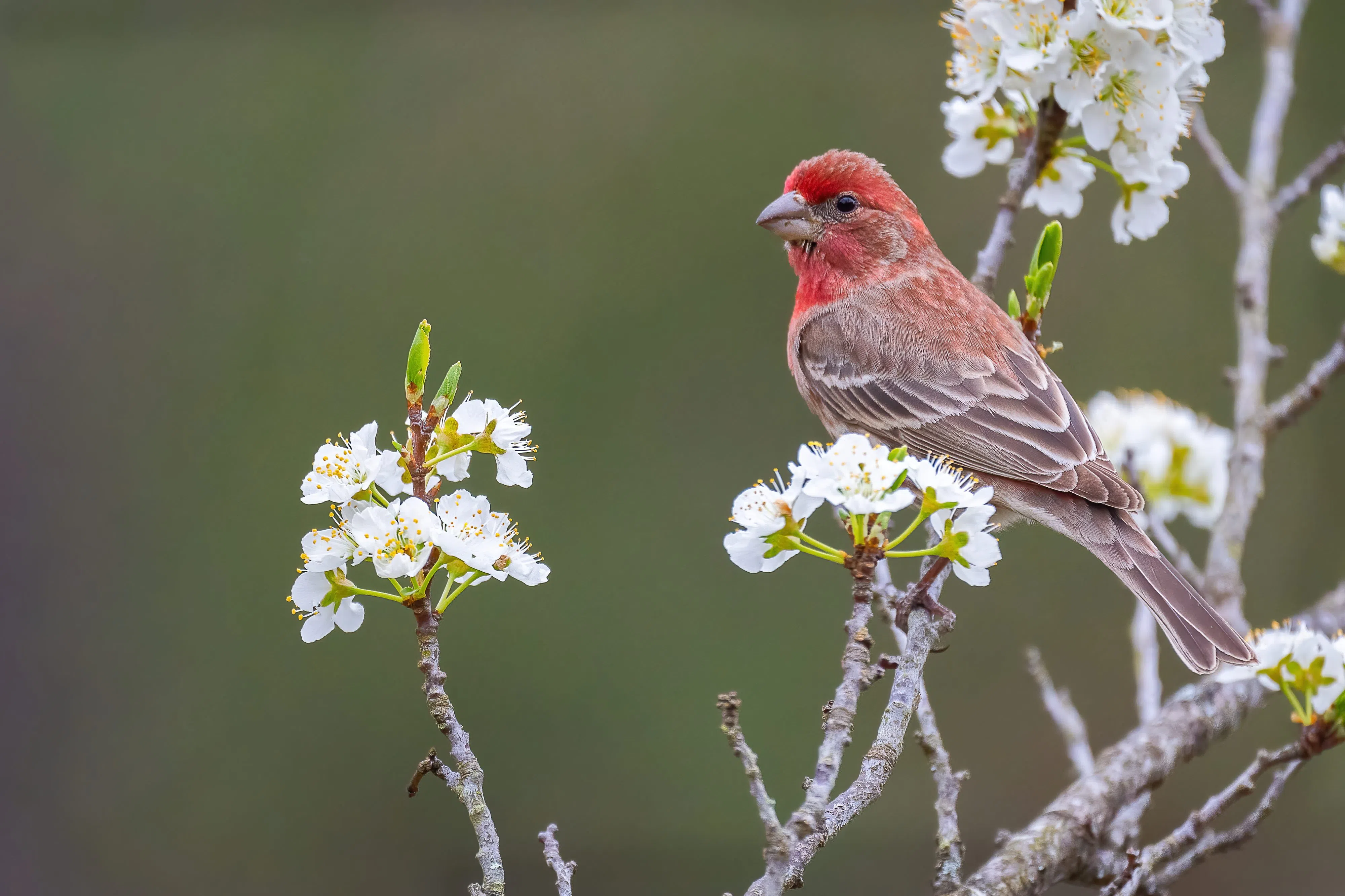
Some songbirds we see during the warmer months are migratory and travel to warmer habitats for the winter. Thrushes and tanagers are examples of migratory species. But there are many birds that stay in North Carolina or come to the area for winter and forage in our backyards. Cardinals, robins, chickadees, bluebirds, wrens, finches, sparrows, jays, woodpeckers, nuthatches, and towhees are common winter residents in North Carolina landscapes. Boy can they eat! But what a great investment. I particularly enjoy the Carolina wren that calls loudly early in the morning and in the evening before the sun goes down who sometimes sleeps in the corner of the front porch with his tail out. We love the cardinal family that comes to our feeder several times a day. The male is more of an orange-red so he is very recognizable. We see the couple and their offspring year after year. Obviously birds need to eat year round and they eat plenty judging from how often we have to replenish the seed in our backyard feeders. Not everyone feeds the birds directly, so it’s a great idea to plant trees, shrubs and flowers that attract and sustain birds in the cold of the winter as well as the heat of the summer.
There are literally hundreds of native plants suggested for planting in the North Carolina landscape that attract and sustain birds. An ideal songbird habitat consists of a variety of plants, trees, and shrubs that flower and produce fruit and seed throughout the year. The North Carolina Cooperative Extension Service recommends plants like winterberry, possumhaw, blackhaw viburnum and chokeberry. These plants are deciduous native shrub species- they lose their leaves over winter but produce berries in late summer and fall. Many varieties of American Holly and Eastern red cedar are native trees that produce berries late in the season in North Carolina, and provide habitat and color over the winter. If you are brave, you might plant a pyracantha. It has lots of berries and thorns but can be difficult to prune, so be thoughtful where you plant. Our buddy Rufus tells a story of seeing a flock of birds swoop down and consume all of the berries on his pyracantha, and then appear to become intoxicated and do strange things!
Trees and shrubs like pine, oak, birch, willows, maples, dogwood, blackgum, mulberry, wax myrtle, wild cherry, blueberry, blackberry, grape, and various types of native sunflowers and ornamental grasses help sustain our bird friends throughout most of the year. Plants like goldenrod and milkweed also provide seed and habitat for many caterpillar species which are a great source of protein for birds. Insects such as spiders and insects are tops on the list for songbirds especially. Many birds rely on insects to feed their young. In the winter, food supplies are obviously not as plentiful. Cardinals, chickadees, robins and sparrows are among the bird species that live in our neighborhoods all year. They rely on seeds and maybe fruits that hang around during the coldest months of the year. This is another reason to keep your home feeders filled every day. And don’t forget the suet and packaged insect larvae that many birds, especially bluebirds, enjoy.
If you look around your landscape, you may find perfect nesting sites for our bird friends. Dead trees are important nesting sites for cavity-nesting birds like woodpeckers and bluebirds and should be protected when possible. But that could be a problem since dead trees can fall on houses. Nesting boxes are frequently used as surrogates for natural cavities. They provide nesting sites for a variety of bird species, including bluebirds, chickadees, great crested flycatchers, screech owls, titmice, nuthatches, and wrens. I have enjoyed the hoot of an owl every evening this winter when I take a walk in my neighborhood. I’m not sure if he or she has a box or is just camped out in a tree. I would love to attract an owl to my backyard. My wife and I would also love to attract more bluebirds to our landscape, but don’t have enough open space to provide a nesting box for them. Fortunately for us, bluebirds do come to our feeder.
Water is also important to include in your “ bird garden.” Birds need access to water year round, and there are many ways to provide it. A drip bath or fountain would be an excellent addition since the sound of running water is especially attractive to birds. It is also much easier to maintain clean water if it is running. The Audubon Society recommends that you can also scatter hollowed-out boulders to catch rainwater, or you can add bird baths. Just make sure to keep your bird baths clean.
The bird that is extra special to my family and probably yours too, is the hummingbird. These lively, colorful speedsters pollinate well over a hundred native plants in our state and can easily be attracted to our landscapes with certain plants. The Ruby-throated hummingbird is the only species that breeds in North Carolina. It feeds on small insects and nectar from bright tubular plants. Among their favorite shrubs, vines and wildflowers in North Carolina are Cardinal flower, coneflowers, bee balm, cross vine, Carolina Jessimine, phlox, iris, coral honeysuckle, azaleas just to name a few. You can also utilize a feeder for an artificial source of food. Make sure the mixture of four parts water and one part white sugar is boiled and cooled before you make it available to the hummingbirds. The summer heat requires changing mixture often and keeping the feeder clean.
For over 40 years on the WPTF Weekend Gardener, we have often discussed plants that contribute to the beauty and sustainability of our home landscape. Attracting birds and yes, insects, will ultimately enhance your landscape, while supplementing your knowledge of plants and nature’s wonders.